- Home
- Blog
- Warehouse & Distribution Australia: Choosing the Right Facility
Warehouse & Distribution Australia: Choosing the Right Facility
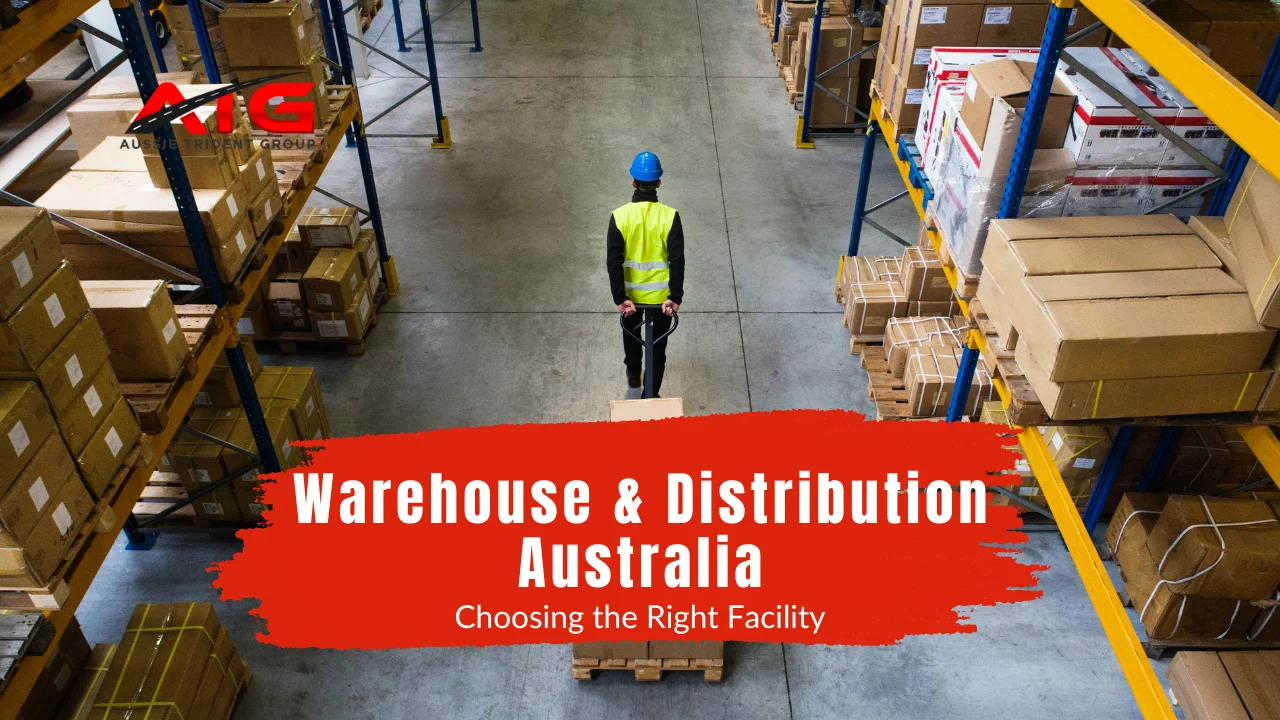
Selecting the right warehouse and distribution facility is a critical decision that can significantly impact your business’s efficiency, customer satisfaction, and bottom line. With the Australian logistics landscape constantly evolving, making an informed choice is more important than ever. This guide will walk you through the key factors to consider, ensuring you partner with a facility that supports your growth and enhances your supply chain.
By understanding the nuances of location, technology, scalability, and cost, you can find a partner that provides more than just space. You can secure a strategic asset for your business. The right facility offers comprehensive supply chain solutions in Australia, helping you navigate market demands with confidence.
The Importance of Strategic Location
Location is often the first consideration, and for good reason. The physical position of your warehouse directly influences shipping times, transportation costs, and your ability to reach customers efficiently.
Proximity to Ports and Transport Hubs
For businesses that import or export goods, a warehouse near major ports like those in Melbourne, Sydney, or Brisbane is essential. Proximity to these hubs reduces drayage costs—the expense of moving containers from the port to the warehouse—and shortens lead times. Likewise, being close to major highways, rail networks, and airports is crucial for effective national distribution. A well-located logistics company in Melbourne, for example, can offer a strategic advantage for reaching markets across the eastern seaboard.
Access to Your Customer Base
Where are your customers located? Analyzing your sales data to identify key customer clusters can help you determine the optimal warehouse location. Placing your inventory closer to your end consumers minimizes last-mile delivery times and costs, a critical factor in meeting modern e-commerce expectations. A facility centrally located to your primary market can be a game-changer for customer loyalty.
Evaluating Technology and Integration
Modern warehousing is driven by technology. The right facility will leverage advanced systems to streamline operations, improve accuracy, and provide you with valuable data. When assessing potential warehouse & distribution services in Australia, pay close attention to their tech stack.
Warehouse Management Systems (WMS)
A robust Warehouse Management System (WMS) is non-negotiable. This software is the brain of the operation, managing everything from inventory receiving and put-away to order picking, packing, and shipping. Ask potential partners about their WMS capabilities. Does it support real-time inventory tracking? Can it integrate seamlessly with your e-commerce platform or Enterprise Resource Planning (ERP) system? A sophisticated WMS ensures transparency and control over your stock.
Automation and Robotics
Leading logistics providers are increasingly adopting automation. This can range from conveyor systems and automated sorters to autonomous mobile robots (AMRs) that assist with picking and moving goods. While not every warehouse is fully automated, facilities that invest in these technologies can offer higher efficiency, greater accuracy, and faster order fulfillment. This is a key differentiator when comparing 3PL Australia providers.
Also Read: Brisbane Warehousing and Distribution Services: Smart Logistics Solutions for Your Business
Scalability and Flexibility for Future Growth
Your business is not static, and your logistics partner shouldn’t be either. The ability to scale your warehousing and distribution operations up or down is vital for managing seasonal peaks, promotional periods, or overall business growth.
Accommodating Fluctuating Demand
Does the facility have the physical space and labor resources to handle your peak season? A flexible partner will be able to allocate more space and staff to your account when you need it and scale back during quieter periods. This elasticity prevents you from paying for underutilized resources and ensures you can always meet customer demand.
Supporting Business Expansion
As you grow, your needs will change. You might expand into new product lines or enter new geographic markets. A strategic logistics partner will work with you to adapt your supply chain solutions in Australia. This could involve offering multi-channel fulfillment (both B2B and B2C), value-added services like kitting or custom packaging, or even expanding their network to support your new market entries.
Analyzing the Cost Structure
While cost should not be the only factor, it is undoubtedly a significant one. Understanding the pricing model is crucial to avoid hidden fees and ensure the service is financially sustainable for your business.
Understanding the Pricing Model
Warehouse pricing can be complex. Common charges include:
- Storage: Billed per pallet, per bin, or per square foot.
- Inbound/Outbound: Fees for receiving goods and processing orders.
- Pick and Pack: Charges for each item picked from the shelf.
- Shipping: The cost of the actual freight.
Request a detailed and transparent quote that breaks down all potential charges. A reputable provider will be upfront about their pricing. Be wary of quotes that seem too good to be true, as they may hide costs elsewhere.
The Value of a 3PL Partnership
Engaging a Third-Party Logistics (3PL) provider often proves more cost-effective than managing a warehouse in-house. A 3PL Australia partner allows you to leverage their expertise, technology, and established carrier relationships, which often results in discounted shipping rates. By outsourcing, you convert the fixed costs of running a warehouse (rent, labor, utilities) into variable costs that align with your sales volume.
Making Your Final Decision
Choosing the right facility for your warehouse and distribution in Australia is a strategic move that sets the foundation for your operational success. Look beyond the four walls and assess each potential partner on their location, technological capabilities, flexibility, and cost-effectiveness.
By carefully evaluating these key areas, you can find a logistics company that acts as a true extension of your business. A strong partnership will not only streamline your current operations but also provide the robust supply chain solutions Australia-based businesses need to thrive in a competitive market. Take your time, ask detailed questions, and choose a partner who is invested in helping you grow.