- Home
- Blog
- Third-Party Logistics Services Australia: A Guide for Retail & FMCG
Third-Party Logistics Services Australia: A Guide for Retail & FMCG

Australia’s retail and FMCG sectors operate in a fast-moving, highly competitive environment where speed, accuracy, and cost control are critical. As consumer expectations for faster deliveries and better service continue to rise, managing logistics in-house is becoming increasingly challenging. This is why third-party logistics services in Australia are now a strategic necessity rather than just an operational choice.
This in-depth guide explains how 3PL Australia solutions support retail and FMCG businesses, what services they offer, and how to choose the right logistics partner for long-term success.
What Are Third-Party Logistics (3PL) Services?
Third-party logistics (3PL) services involve outsourcing supply chain and logistics operations to a specialised provider. These providers manage critical logistics functions that would otherwise require significant investment in infrastructure, technology, and manpower.
In Australia, 3PL companies support businesses by handling storage, inventory, order fulfilment, and transportation. This allows brands to maintain lean operations while ensuring their products reach customers efficiently across metro, regional, and interstate markets.
For retail and FMCG businesses, 3PL providers act as an extension of the supply chain, offering operational expertise and scalability without long-term overheads.
The Supply Chain & Logistics Association of Australia (SCLAA) highlights the importance of third-party logistics in modern supply chains.
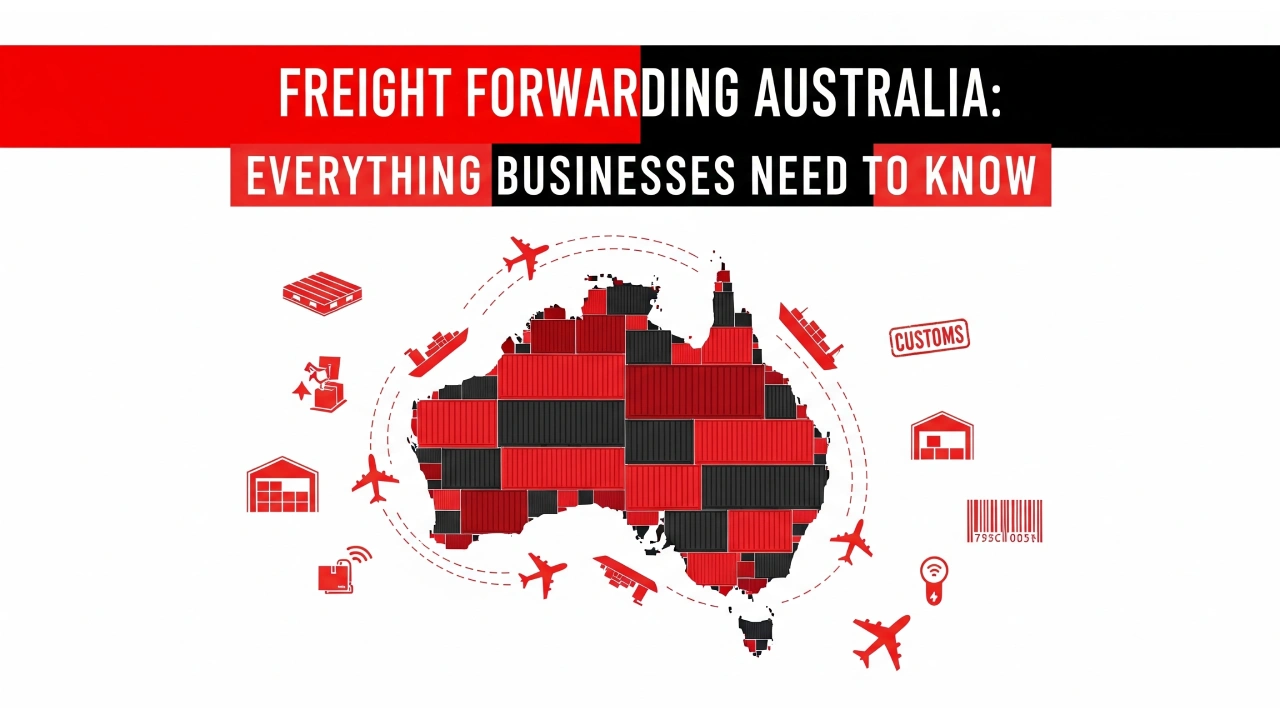
Also Read: Freight Forwarding Australia: Everything Businesses Need to Know
Why 3PL Is Growing Rapidly in Australia
The demand for third-party logistics services Australia has increased sharply due to several market shifts. Australia’s vast geography makes nationwide distribution complex and costly, especially for growing brands.
Additionally, e-commerce growth has pushed delivery expectations higher, with customers expecting faster and more reliable service. Rising labour costs, fuel prices, and warehouse expenses have also made in-house logistics less attractive.
As a result, businesses are turning to 3PL Australia providers to gain access to established networks, technology-driven processes, and flexible logistics solutions without heavy capital investment.
How 3PL Services Work
A well-structured 3PL operation integrates seamlessly with a business’s supply chain. Goods are first received from manufacturers or suppliers and stored in strategically located warehouses. Advanced systems track inventory levels in real time, ensuring accuracy and availability.
Once an order is placed, the 3PL team handles picking, packing, and dispatching the goods using efficient workflows. The final stage involves transportation and last-mile delivery to retail stores, distribution centres, or end customers.
This end-to-end process ensures faster order fulfilment, fewer errors, and better visibility across the supply chain.
Retail Logistics Solutions Australia: Why Retailers Use 3PL
Retail businesses operate across multiple channels, including physical stores, online platforms, and marketplaces. Managing logistics for all these channels can quickly become complex.
Retail logistics solutions in Australia offered by 3PL providers help retailers streamline operations by consolidating inventory, managing multi-channel fulfilment, and ensuring timely restocking of stores.
Retailers also benefit from flexible warehousing arrangements, which allow them to scale operations during peak seasons such as sales events and holidays without permanent expansion costs.
FMCG Logistics Australia: Meeting Speed and Volume Demands
FMCG brands deal with high-volume products, frequent replenishment cycles, and tight delivery schedules. Any delay or inventory error can directly impact sales and retailer relationships.
FMCG logistics Australia services are designed to handle rapid stock movement while maintaining accuracy and compliance. Many 3PL providers offer specialised solutions such as batch tracking, expiry management, and temperature-controlled storage.
These services help FMCG companies maintain product quality, reduce waste, and ensure consistent supply to retailers nationwide.
Also Read: Reliable Freight Forwarders in Sydney – Your Trusted Logistics Partner
Key Benefits of Third-Party Logistics Services Australia
Cost Efficiency
By outsourcing logistics, businesses avoid large upfront investments in warehouses, vehicles, and logistics technology. Costs become predictable and usage-based.
Scalability
3PL services allow businesses to expand or reduce operations based on demand, making them ideal for seasonal and fast-growing brands.
Improved Delivery Speed
With strategically located facilities, 3PL providers enable faster deliveries across Australia, improving customer satisfaction.
Technology and Expertise
Most 3PL providers use advanced warehouse and transport management systems that improve efficiency, visibility, and reporting.
Operational Focus
Businesses can focus on core activities like marketing, sales, and product development while logistics experts handle fulfilment.
Common 3PL Services Offered in Australia
Australian 3PL providers offer a wide range of services that can be customised based on industry and business size:
- Warehousing and storage
- Inventory management
- Pick and pack services
- Freight coordination (road, air, and sea)
- Cross-docking
- Reverse logistics and returns
- Cold-chain and temperature-controlled storage
These services support both retail and FMCG businesses across different supply chain stages.
3PL vs In-House Logistics: Comparison Table
| Aspect | Third-Party Logistics (3PL) | In-House Logistics |
|---|---|---|
| Initial Investment | Low | High (warehouses, fleet, staff) |
| Scalability | High and flexible | Limited |
| Technology Access | Advanced systems included | Requires separate investment |
| Geographic Reach | Nationwide coverage | Usually limited |
| Cost Structure | Pay-as-you-use | Fixed and variable costs |
| Expertise | Logistics specialists | Internal learning curve |
How 3PL Supports E-Commerce Growth
E-commerce success depends heavily on logistics performance. 3PL providers support online retailers by offering fast order processing, seamless system integration, and reliable last-mile delivery.
Real-time inventory tracking ensures stock accuracy across platforms, while efficient returns management improves customer satisfaction. These capabilities allow retailers to grow online sales without operational bottlenecks.
Choosing the Right 3PL Provider in Australia
Selecting the right 3PL partner is critical. Businesses should look for providers with proven experience in retail or FMCG logistics, strong warehouse networks, and reliable transport partnerships.
Technology compatibility, service transparency, and customer support are equally important. A good 3PL provider should act as a long-term logistics partner rather than just a service vendor.
Challenges of Using 3PL (and How to Overcome Them)
Some businesses worry about reduced control when outsourcing logistics. This can be managed through clear service agreements, performance metrics, and regular communication.
System integration challenges can be addressed by choosing a 3PL provider with modern, flexible technology that integrates easily with existing platforms.
Future of Third-Party Logistics in Australia
The future of third-party logistics services Australia lies in automation, data-driven decision-making, and sustainability. Robotics, AI-powered forecasting, and eco-friendly transport solutions are becoming standard.
Retail and FMCG businesses that adopt these innovations through 3PL partnerships will gain a competitive advantage in speed, efficiency, and customer experience.
Conclusion
Third-party logistics services in Australia provide retail and FMCG businesses with the flexibility, expertise, and infrastructure needed to thrive in a competitive market. By partnering with a reliable 3PL Australia provider, businesses can reduce costs, improve delivery performance, and scale operations with confidence.
As supply chains become more complex, outsourcing logistics is no longer optional—it is a smart, strategic move for sustainable growth.
Related Posts


Latest News